You will also often detect an energy. Also, h x + not only can, but actually does combine with c o x 3 x 2 − to form a new particle:

Chemical Changes Occur During Chemical Reactions. Atoms Rearrange And One Substance Changes Into Another Substance. Reactant = Substance Used In. - Ppt Download
A chemical reaction is a process that leads to the chemical transformation of one set of chemical substances to another.

Can a chemical reaction happen with only one substance. Chemical reactions only occur if there is ‘energetics” and “kinetics” that favor it. We can tell if a chemical reaction has taken place when one or more of the following things happen: In a chemical reaction, only the atoms present in the reactants can end up in the products.
Some examples of simple synthesis reactions include: The simple chemical change definition is the changing of one or more substances into another substance(s). A chemical reaction is the process that takes place when a substance (or substances) are brought into contact with each other and produce a new substance (s).
While there certainly are any number of chemical reactions that occur immediately after a. No new atoms are created, and no atoms are destroyed. H c o x 3 x.
The substance(s) to the right of the arrow are called products. For example when water hits chlorine gas it can create. Chemical reactions occur when atoms are.
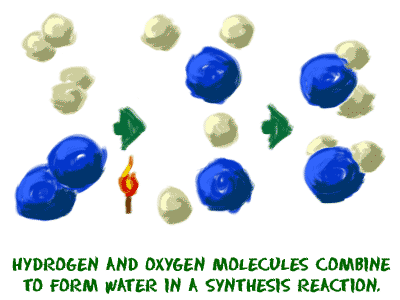
Can a substance undergo a chemical and nuclear reaction from one cause? In a synthesis reaction, also known as a direct combination reaction, two chemicals (a and b) make a new substance (ab). A chemical reaction is when the bonds are broken within reactant molecules, and new bonds are formed within product molecules to form a new substance.
Classically, chemical reactions encompass changes that only involve. This means that a reaction will only go in one direction, from reactants to products, and never the other way around. That movement is an important part of what causes chemical reactions.
There has been a colour change inside the reaction flask. A measure of how easily a substance combines with other substances to produce a. An example of a chemical property is reactivity.
In other types of chemical reactions, gases are evolved, color. Chemical reactions occur all the time, because the molecules in all substances are constantly moving. Chemical changes occur during chemical reactions where chemical.
The key point to remember is fairly easy: There has been a chemical reaction only when one or more new substances are made.sometimes this is obvious, sometimes less so. Some chemical reactions are quite evident, like the burning of gasoline, and involve the production of heat or light.
A reactant is a substance that is present at the start of a chemical reaction. Your example is not quite the case when multiple reactions are possible. Energetics does not refer to a single reactant, but to the “system of reactants” that includes.
Chem4Kids.com: Reactions: Overview
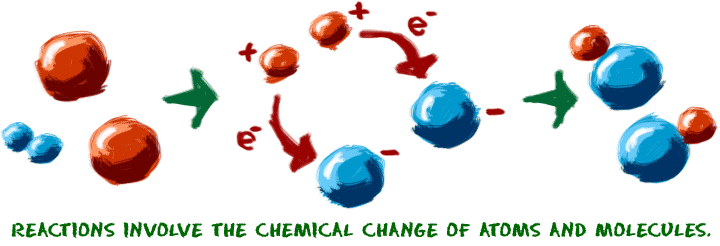

Mixed Reactions Article

3.1: Chemical Equations - Chemistry Libretexts

What Is A Chemical Reaction? | Chapter 6: Chemical Change | Middle School Chemistry

Reactants & Products | What Are The Products In A Chemical Reaction? - Video & Lesson Transcript | Study.com

Standard 2 Lesson 8 Chemical Reactions - Ppt Download

What Is A Chemical Reaction? — Overview & Examples - Expii
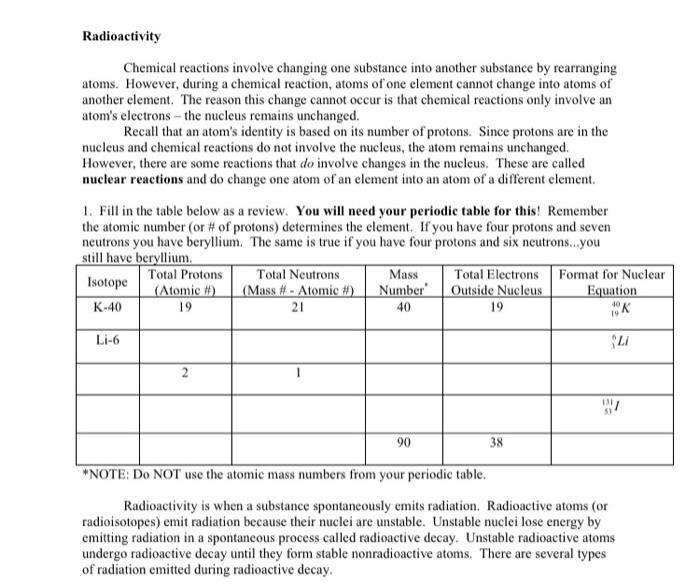
Solved Radioactivity Chemical Reactions Involve Changing One | Chegg.com
Chem4Kids.com: Reactions: Overview
Solved In Some Chemical Reactions, Electrons Are Transferred | Chegg.com
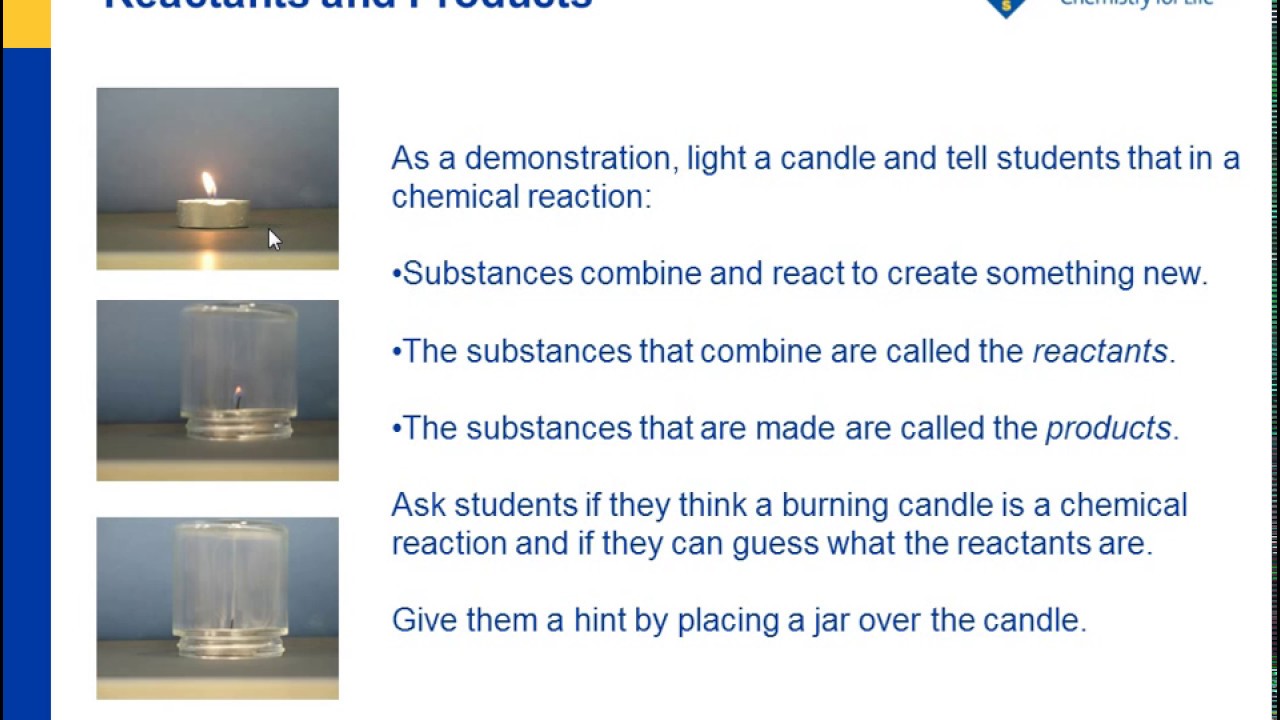
What Is A Chemical Reaction? | Chapter 6: Chemical Change | Middle School Chemistry

7.1 How Do We Know A Chemical Reaction Has Taken Place? | Chemical Reactions | Siyavula
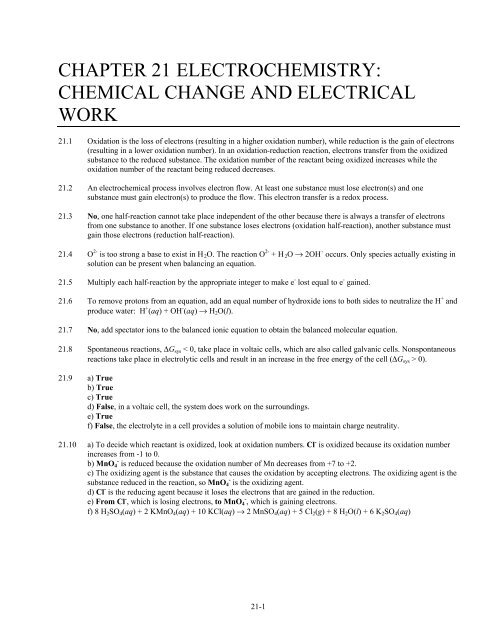
Chapter 21 Electrochemistry: Chemical Change And ...
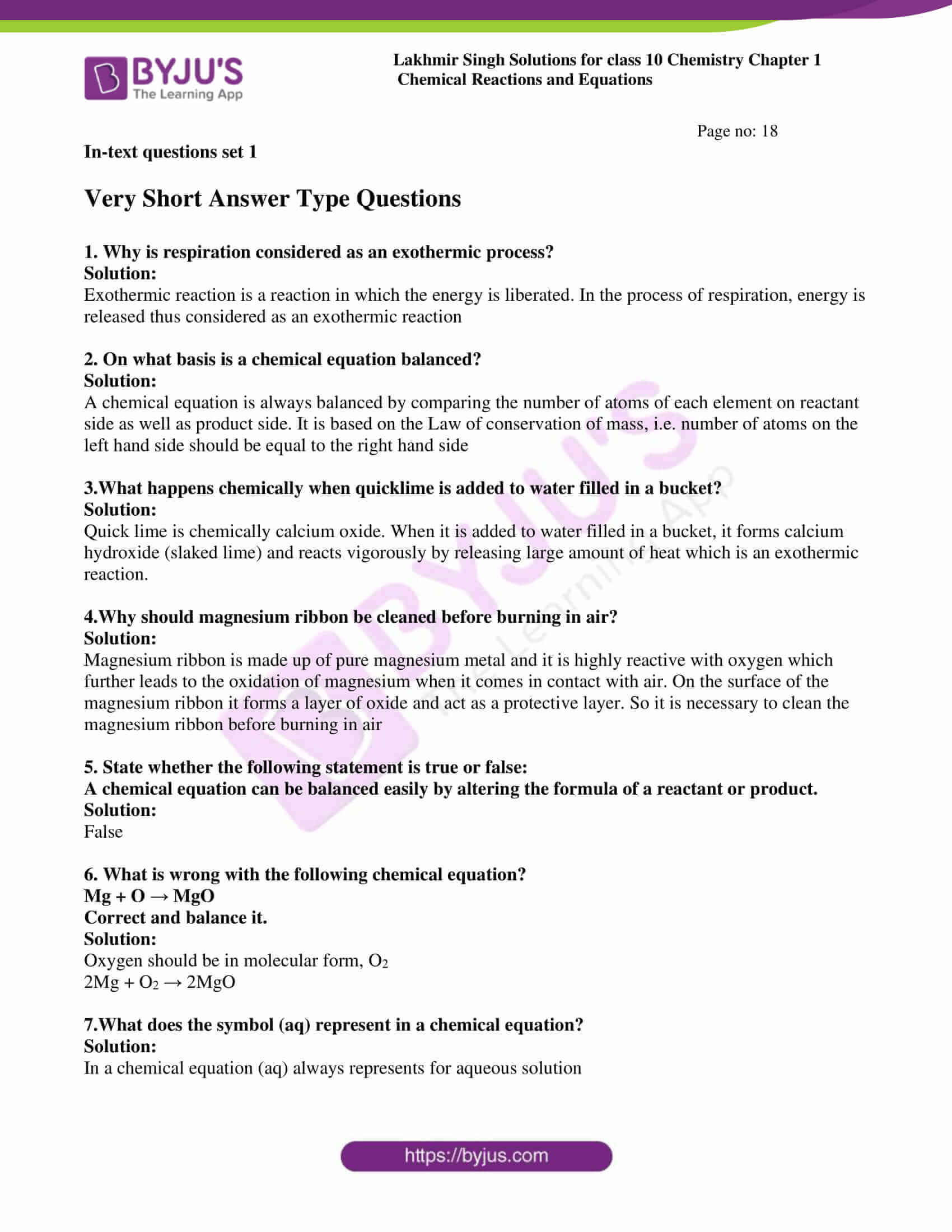
Lakhmir Singh Chemistry Class 10 Solutions For Chapter 1 Chemical Reactions And Equations - Free Pdf
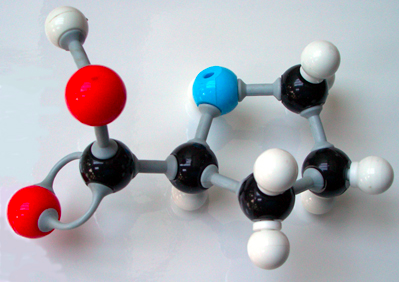
Chemical Reactions | Chemistry Of Life | Biology (Article) | Khan Academy
Chemical Reaction Or Mixture? | K-12 Engineering
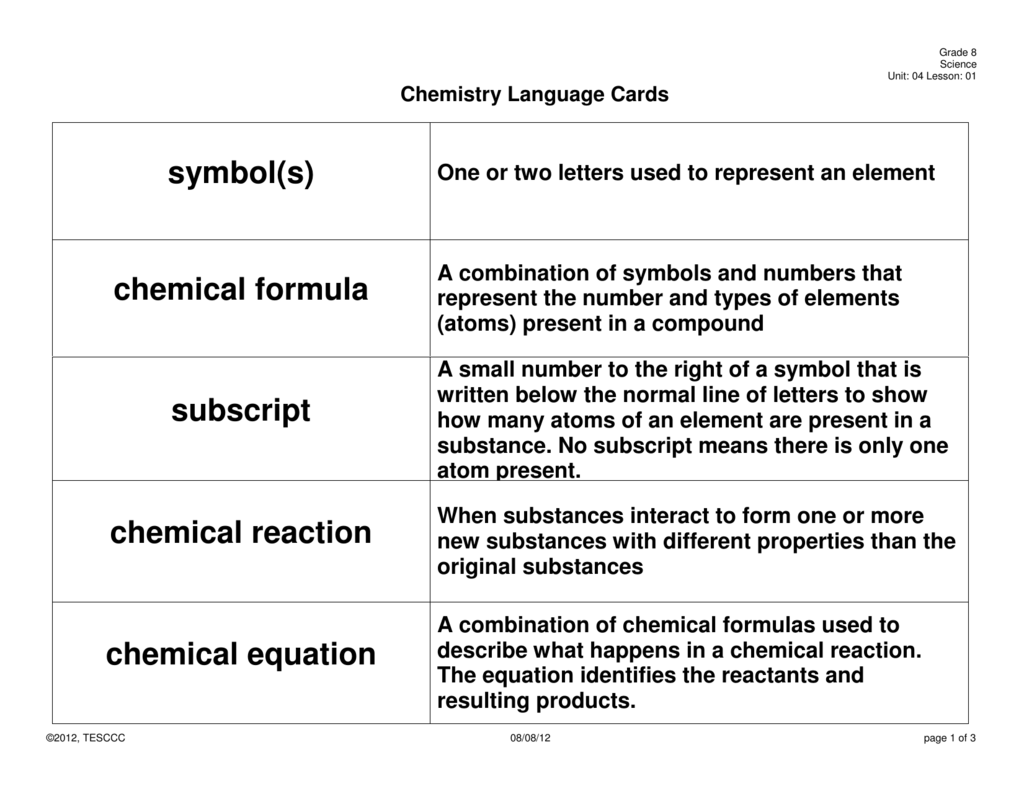
Symbol(S) Chemical Formula Subscript Chemical Reaction Chemical
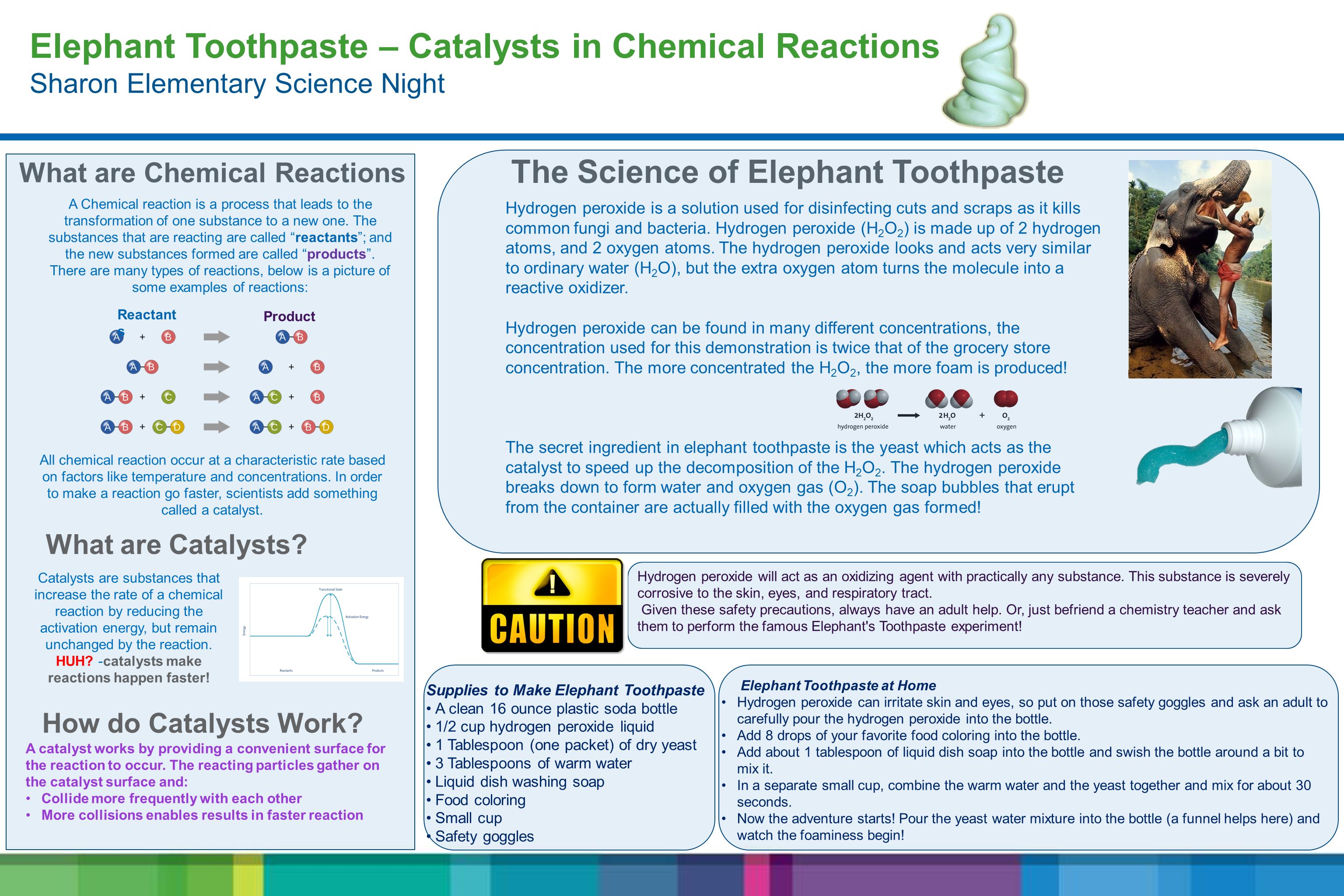
Elephant Toothpaste – Catalysts In Chemical Reactions Sharon Elementary Science Night A Chemical Reaction Is A Process That Leads To The Transformation. - Ppt Download
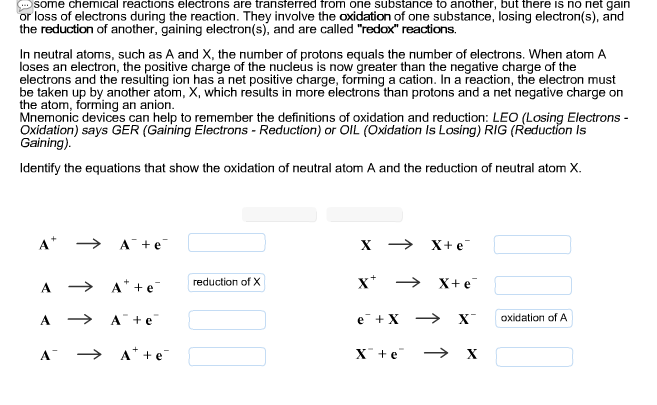
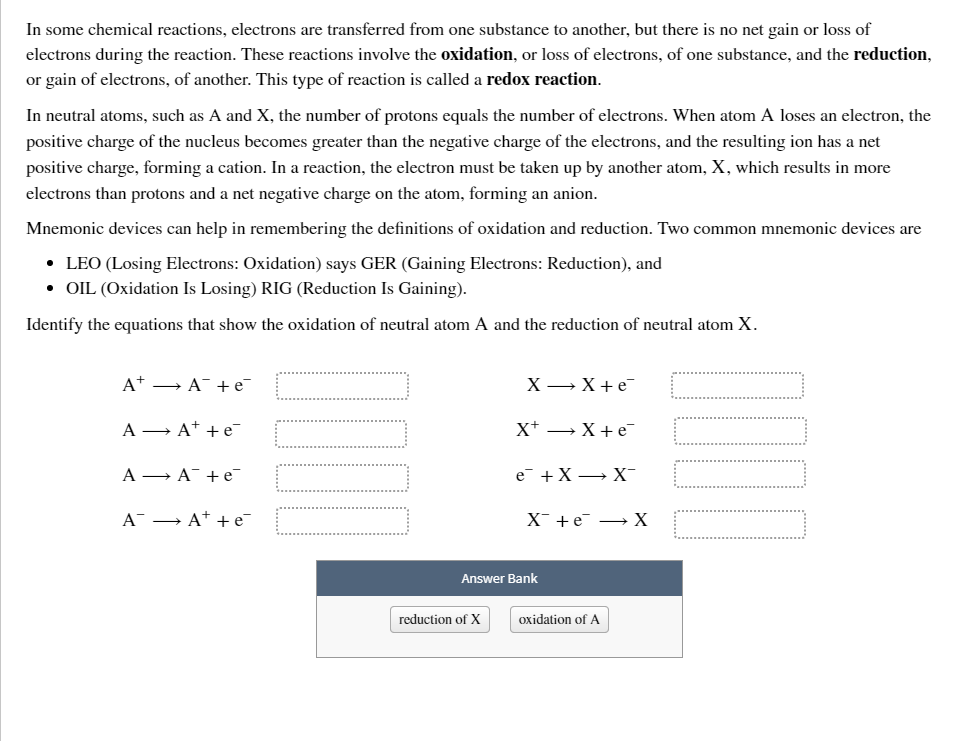
Solved Chemical Reactions Electrons Are Transferred From | Chegg.com